The evidence

What the research does and does not say.

We did not invent the idea that option-finding matters. It has been studied for decades, in children and in adults, and the findings are consistent enough to build a program on.

These are findings from independent research into decision-making and problem-solving — not measured outcomes of The Situation Room. We are a new program, and we will not borrow somebody else’s results to describe our own. What this research supports is the choice of skill to build a program around; the rest we intend to earn.

Where it starts

First the options. Then everything else.

A child weighing two bad choices is not deciding. They are picking the less bad of the first two things that came to mind. The judgement is fine; the raw material is missing.

So a session starts where the problem starts: mapping what is actually available, and refusing to stop at the obvious two or three.

Find options Usually skipped
Weigh them
Choose

Skip the first box and the other two have nothing to work on.

The two-door problem

Ask them. You will hear two.

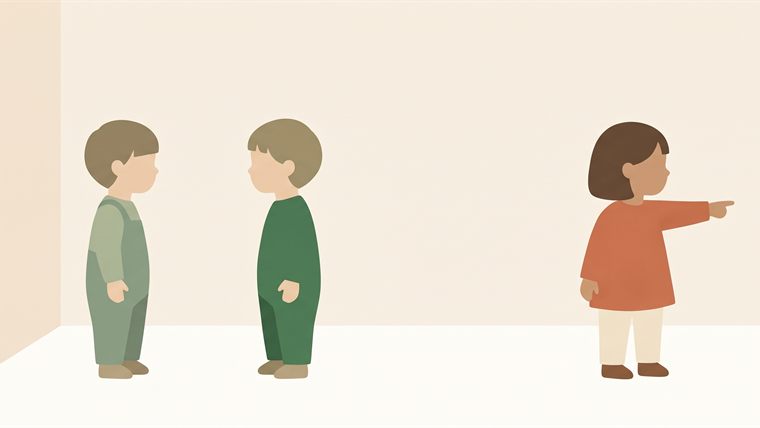
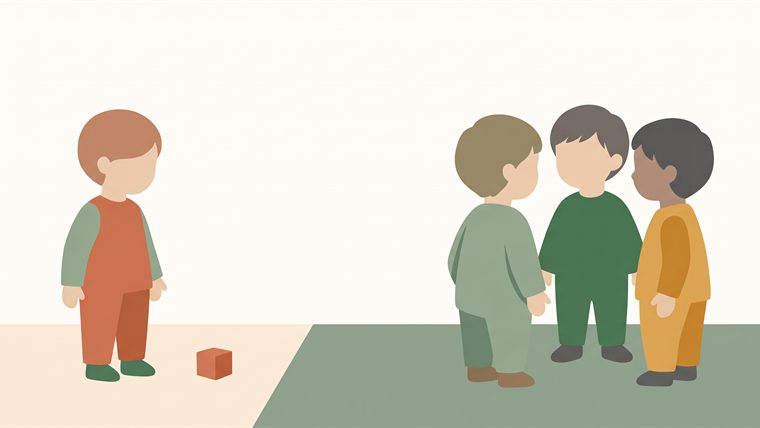
The obvious thing, or nothing. Hit back, or say nothing. Send the message, or stay silent. Two doors, one of them bad and the other one worse — and a decision that was never really a decision.

What they see What was also there
The two on the left get named under pressure — hit back, or say nothing. The four on the right were available the entire time; the skill is naming them before you act.
The difference

What changes when they see more.

None of this requires a crisis, a diagnosis, or a difficult child. It is the ordinary difference between a kid with two doors and the same kid with six.

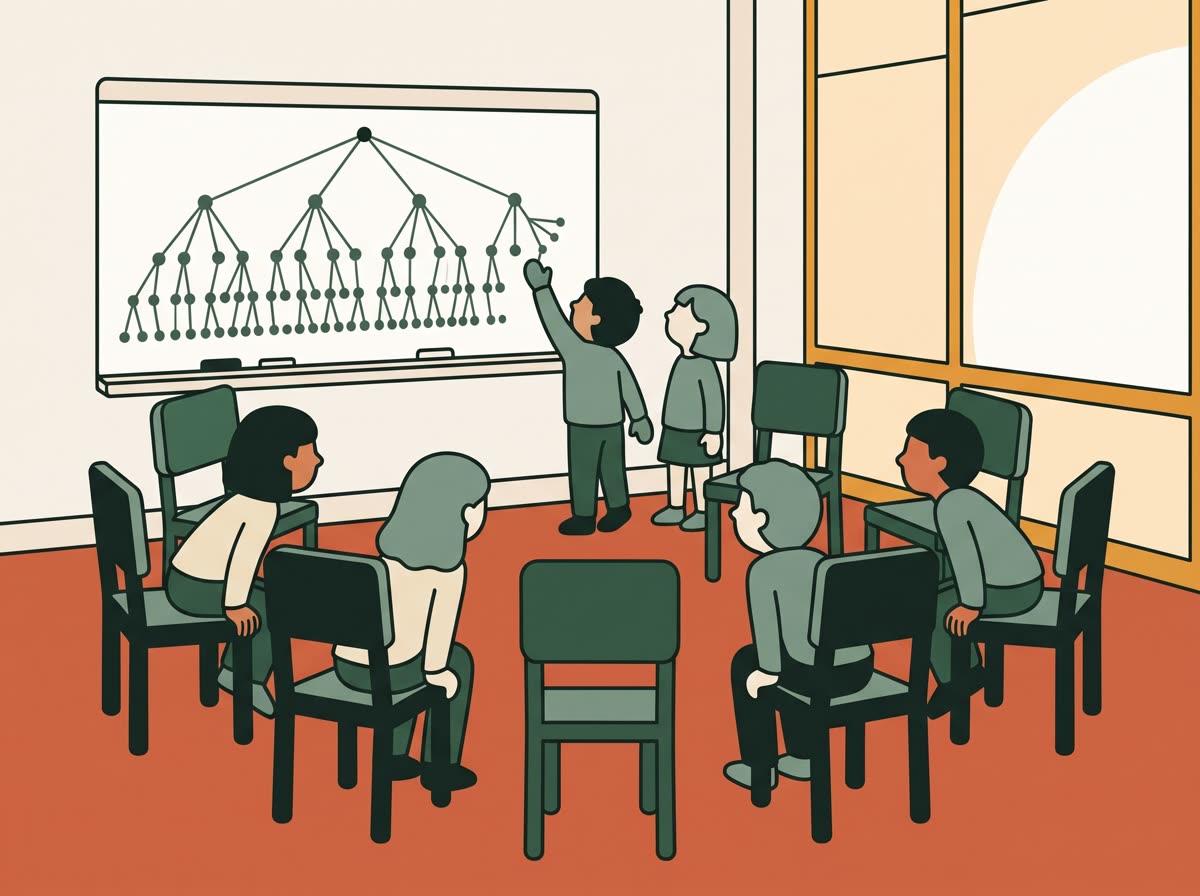
Illustration: two children at a whiteboard adding branches to a spreading diagram of options while the group watches from the circle

In the room, this is step two.

A real situation goes up. Then the cohort maps it — out loud, on a board, past the obvious answers, until the quiet options are on the list next to the loud ones.

Then they test what each one would actually cause, and practice the one they picked. The mapping is the part that makes the rest possible.

See how a session runs →

More than two doors? Start here.

Cohorts are 5–10 children, weekly sessions across a 4-week cycle, in Redmond, WA. Tell us your child's age and we'll be in touch when the next cohort in their track opens.

See how a session runs