 1
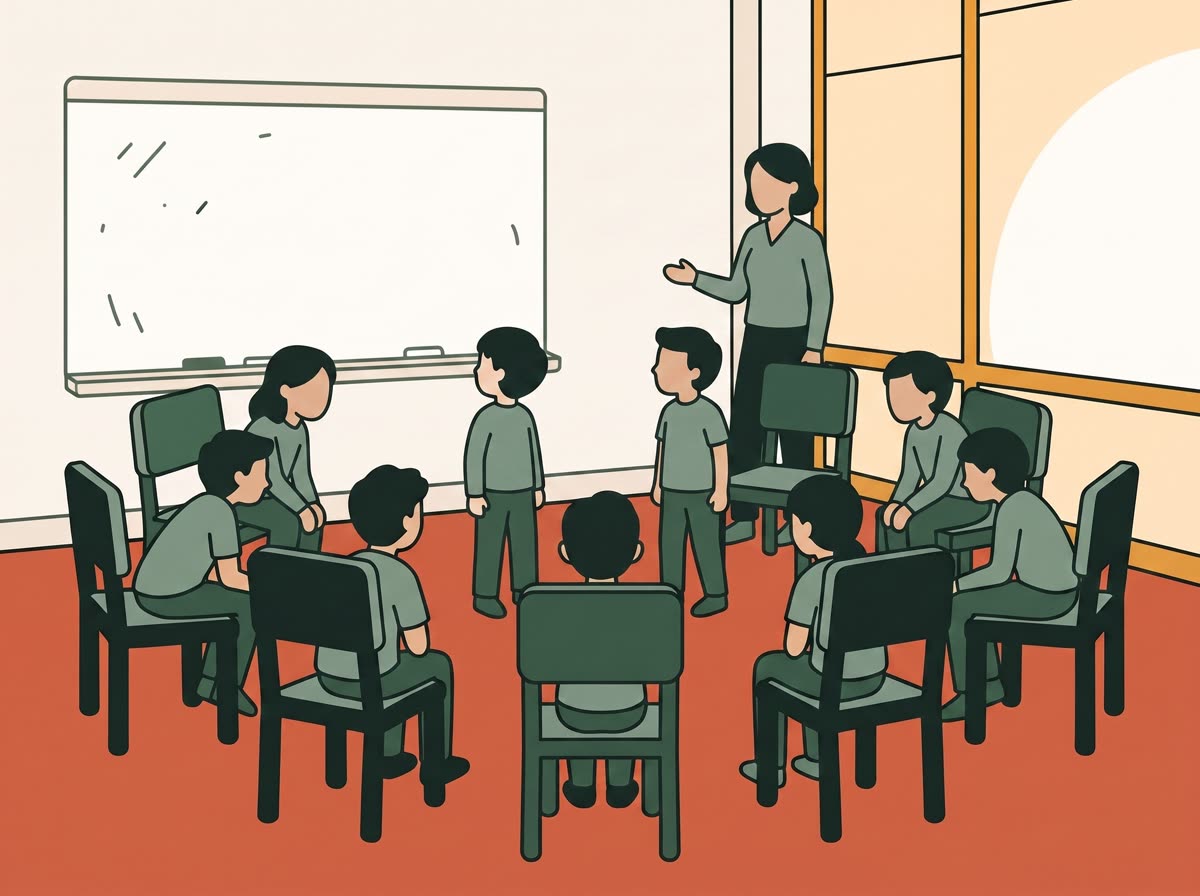
1A real situation
Something a child could plausibly meet this month — at school, with friends, at home or online.
Lock in your founding rate — $149/month for the first 10 families, plus applicable taxes.
You'll receive an email with payment setup instructions. Privacy policy.
The Situation Room is a small-group decision-making lab where kids practice real-life situations — friendship trouble, peer pressure, digital dilemmas — and learn to map every option before they act. Not tutoring. Not therapy. Rehearsal for life.
Founding families lock in $149/month — standard rate $249, plus applicable taxes. First 10 families only.
“The group chat turns on someone. Everyone’s laughing. What do you do?”
400+ situations
Option most people miss under pressure.
This is the shape of what your child works through. Pick a situation, look at the doors most kids reach for first, then reveal the ones that usually go unseen.
Every outcome comes from an option that was visible at the time. Nobody picks one that was never on the list — so the list sets the ceiling on the decision, not effort, not intention, not how much anyone cares.
And the list is the first thing pressure goes after. It narrows to the loudest and the most obvious, so the options that take a second of thought to find are exactly the ones that go missing.
Why this skill matters →The sessions are built on moments like these:
Being put on the spot in front of everyone
A message that wants an answer right now
The group has decided, and your kid is not sure
It feels like there are only two ways out
Every child meets these. Handling them well is not a personality trait — it is trainable.
1Something a child could plausibly meet this month — at school, with friends, at home or online.
 2
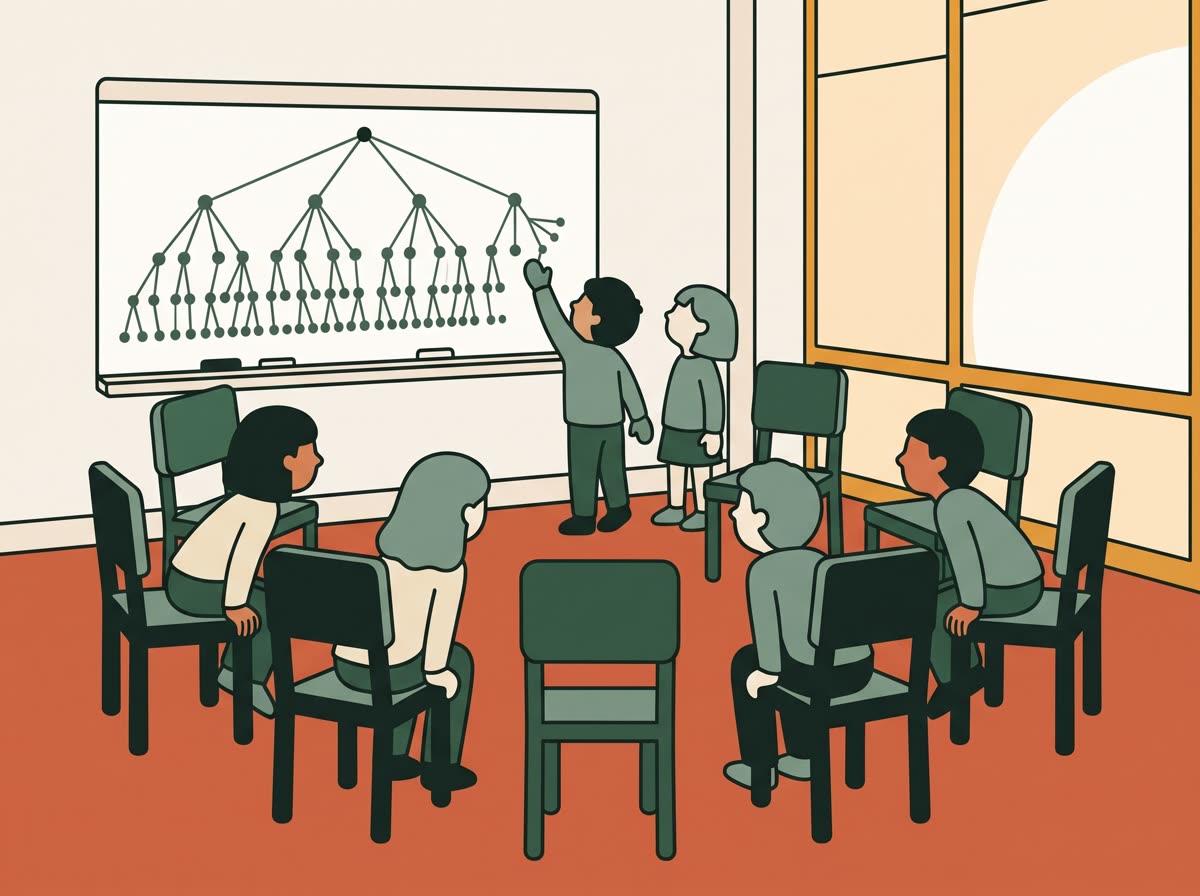
2Kids slow down and list what's actually available, past the obvious two or three.
 3
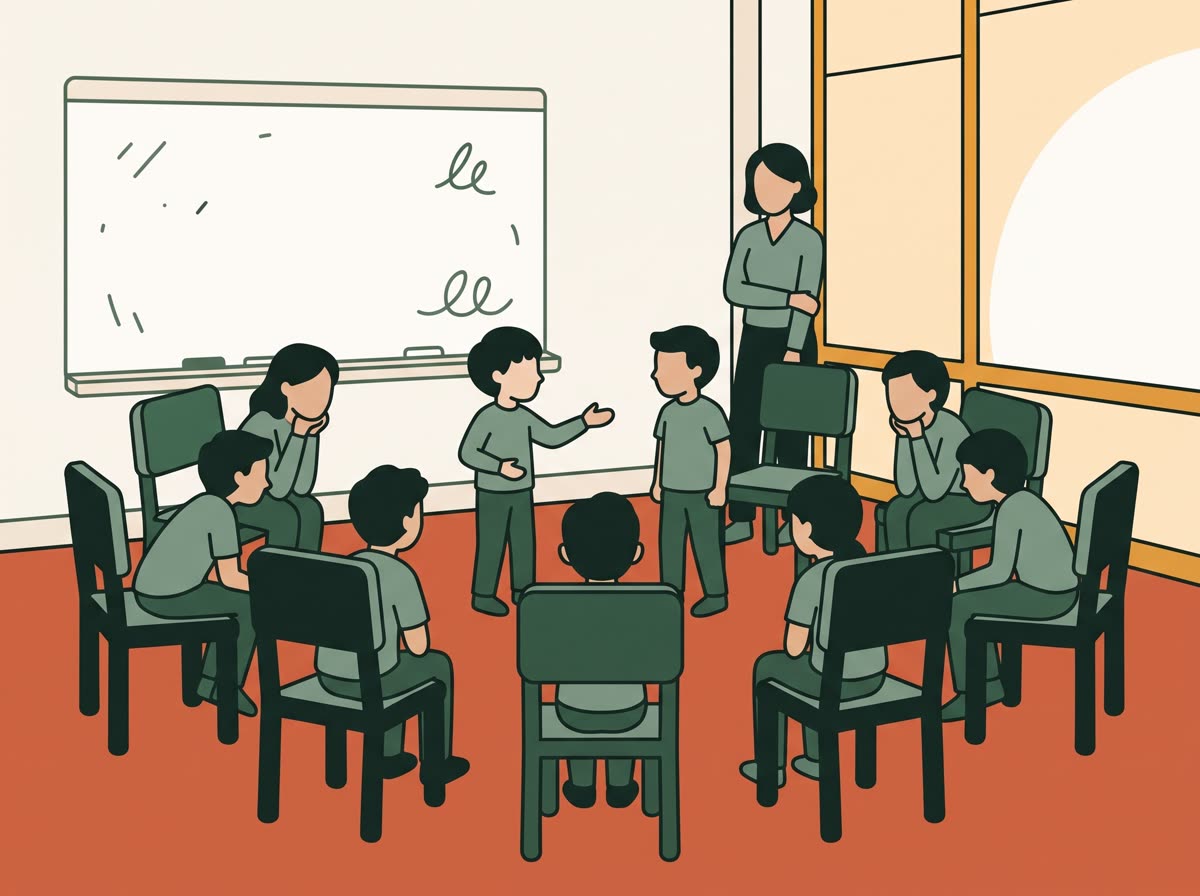
3Role-play and discussion, playing out what each choice would really cause.
 4
4A small real-world goal to try before the next session — and you hear how it went.
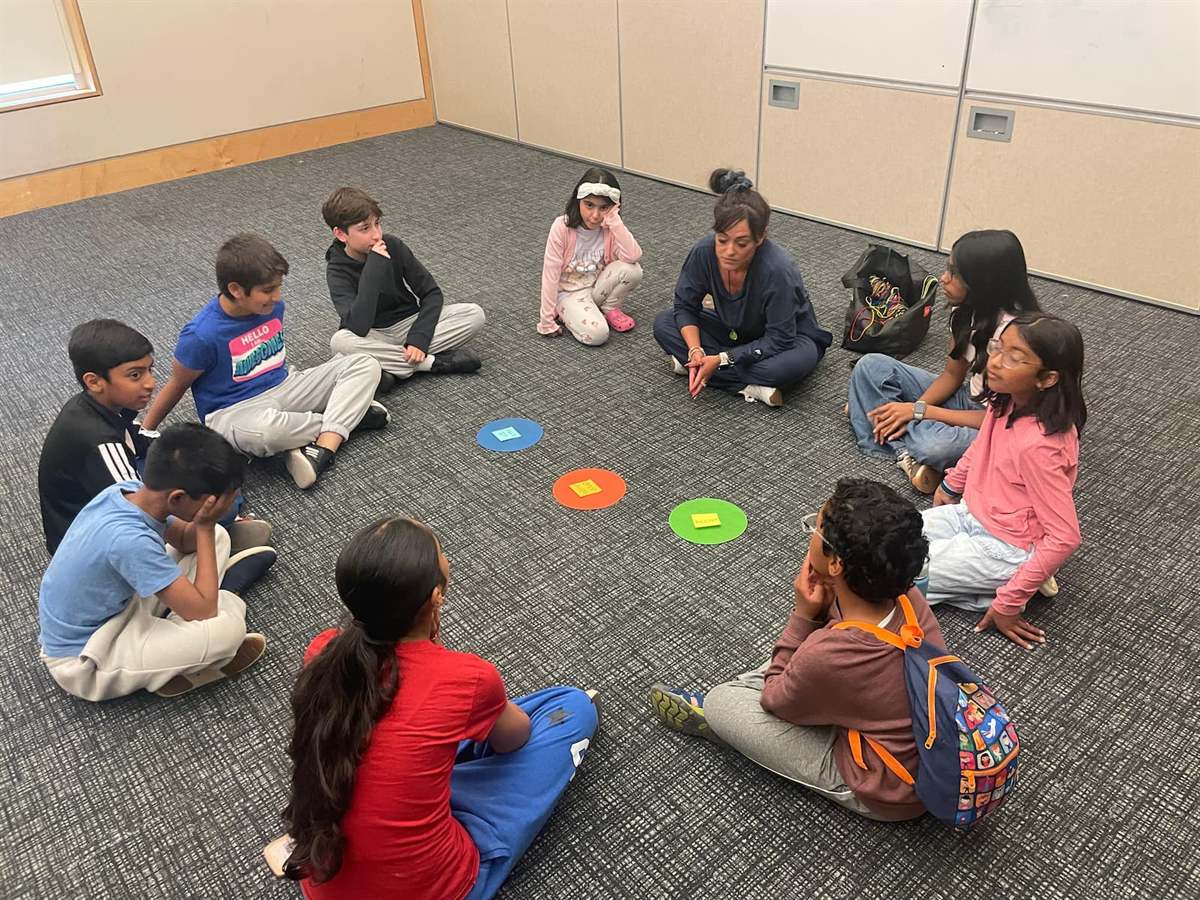
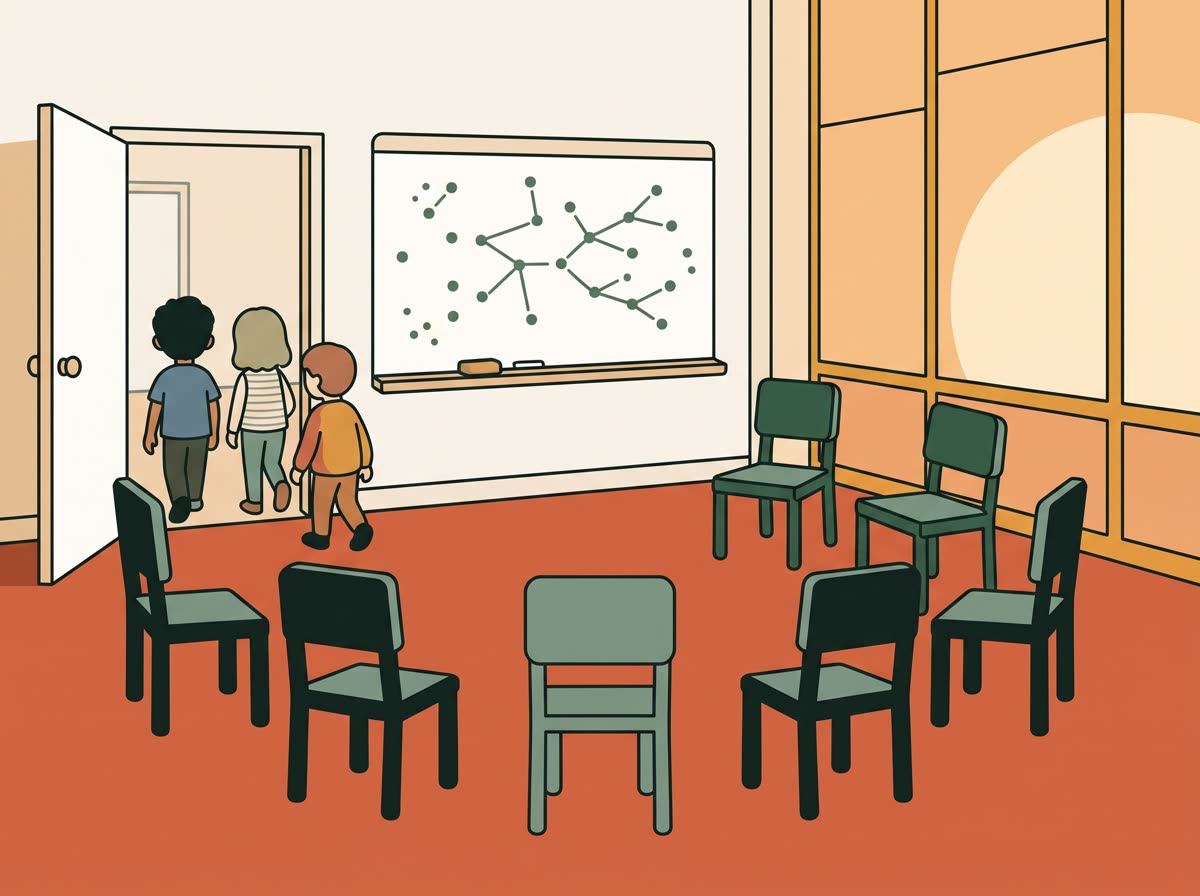
Moments from actual Situation Room sessions in Redmond — kids mapping options, working through scenarios, and finding the doors they didn't see at first.
Join the list today — no card, no commitment. When your child's track opens, you'll be first in line, at the founding rate.